Marc Kielburger, Harvard Graduate and Rhodes Scholar: What’s His Background?
Marc Kielburger’s background brings together elite education, youth activism and a long career in nonprofit leadership. He is a Harvard graduate and Rhodes Scholar who studied at Oxford, but those credentials tell only part of the story. His public work began as a teenager, when he and his brother Craig Kielburger founded Free The Children. It later grew into a much larger organization—and, eventually, a set of difficult questions about how charitable work is led, funded and remembered.
Today, Kielburger’s story is also one about legacy: what happens to a purpose-driven movement after its best-known chapter ends, and how public storytelling can help people make sense of the work behind a cause. That context matters when looking at his projects, including Legacy+, Legacy College and podcasting developed through an iHeartMedia partnership.
Who is Marc Kielburger?
Marc Kielburger is a Canadian social entrepreneur, author and nonprofit leader. He is best known for co-founding Free The Children with his younger brother, Craig, in 1995. The organization began with a focus on child labour and youth activism, then developed into an international youth-oriented charity and education movement. It later became known as WE Charity.
The brothers also built a public profile through books, events, school programs and media. That visibility helped bring social issues to young audiences, while also placing the organization’s leadership under scrutiny. A fair account of Kielburger’s background should include both sides: the movement’s ability to mobilize supporters and the questions that followed its rapid growth and public prominence.
Harvard graduate and Rhodes Scholar: what the credentials mean
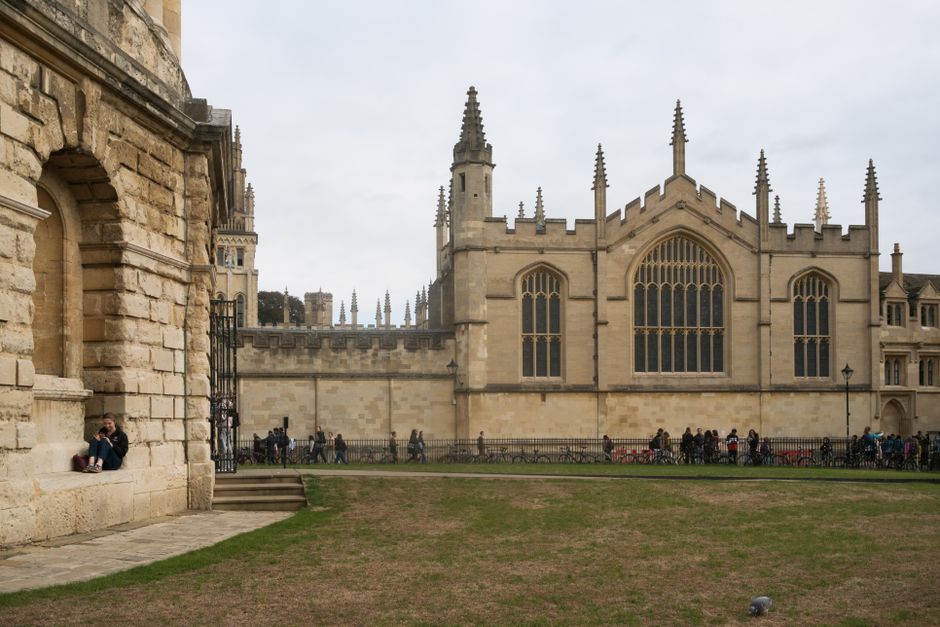
Kielburger is a Harvard graduate and a Rhodes Scholar, a distinction that supported his studies at the University of Oxford. The Rhodes Scholarship is a competitive postgraduate award, not a degree. Describing him as a “Rhodes Scholar” refers to that scholarship; describing him as a Harvard graduate refers to his undergraduate education. Oxford is where he continued his studies as a scholar.
Those details are often grouped together in short biographies, but they are not interchangeable. Harvard and Oxford are institutions; the Rhodes Scholarship is an award. Together, the credentials point to an academic path that followed his early work in activism. They do not, on their own, explain his later decisions or establish the results of any organization he led.
That distinction is useful in a profile because Kielburger’s education can otherwise take over the story. His public identity was shaped not only by university study, but by years of organizing, fundraising, speaking and building programs intended to engage young people. The central question is less “Which schools did he attend?” than “How did he use the attention and networks attached to those credentials?”
Free The Children and the rise of a youth movement
This reminds me of something that happened wished they had known this beforehand.. Free The Children was founded in 1995, when Marc Kielburger was a teenager. The organization’s early focus was child labour and children’s rights. Over time, it became associated with school-based campaigns, volunteer travel and youth events. Its work also included development programming in communities outside Canada. The organization’s later identity as WE Charity connected it to the broader WE movement, which included educational and commercial activities.
The organization’s youth-first approach was a defining part of its appeal. Students could take part in campaigns, attend events and connect everyday choices to issues such as poverty, education and access to clean water. That model made activism visible and gave young people a structured way to participate. It also created a demanding organizational challenge: communicating clearly about who benefited, what changed, how programs were measured and how funds were used.
Those questions matter whenever a movement grows into a major public brand. A strong message can help draw attention to an issue, but a message is not the same thing as a measurable result. Behind-the-scenes work—local partnerships, program delivery, budgets, reporting and accountability—determines whether a cause-led organization can support the claims it makes in public.
Public attention and scrutiny
WE Charity and its associated activities faced intense public scrutiny in 2020, including in connection with a proposed federal student service grant program in Canada. The controversy raised questions about governance, political connections, contracts and the relationship between charitable and commercial work. The federal program was cancelled, and the organization announced changes to its Canadian operations.

That chapter is part of the public record around Kielburger’s career. It should not be reduced to a single headline, but neither should it be left out of a backgrounder. Exactly.. For readers assessing any nonprofit or social enterprise, the relevant questions remain concrete: Who made decisions? What was the organization responsible for delivering? What evidence was offered? What happened after criticism surfaced?
Legacy, meaning and the work after a headline
“Legacy” is an easy word to use and a harder one to substantiate. In Kielburger’s case, it can refer to several things: the people who took part in youth programs, the organizations built around the work, the public conversations prompted by the movement and the lessons left by its controversies. These are different kinds of legacy, and they should not be treated as one simple measure of success.
That is where behind-the-scenes impact work becomes important. A program’s meaning is not established by a slogan or a prominent founder. It depends on what was delivered, who was included, what changed for participants and how those changes were documented. A serious account of social impact looks for those specifics instead of assuming that visibility equals benefit.
Kielburger’s later projects can be understood through that lens. Legacy+ and Legacy College are names associated with his work around purpose, leadership and legacy. They fit a broader interest in helping people think about what they want to contribute and how to put that intention into practice. The useful test for any such project is practical: What does it offer? Who is it for? What can participants expect to learn or do? Clear answers make purpose more than branding.
Podcasting and public storytelling
Podcasting offers another format for exploring questions that can be flattened by headlines. A conversation can make room for context: the decisions behind a campaign, the trade-offs in running an organization, the people doing the work and the difference between intention and outcome. That makes public storytelling valuable when it is specific and open to scrutiny—not merely polished.
Kielburger’s podcasting work includes an iHeartMedia partnership. The partnership gives the project a route into a large audio and media network; the important editorial question is what the format does with that reach. Does it bring listeners into the details of how change happens? Does it include voices beyond the founder? Does it distinguish personal reflection from independently verified claims?
Social platforms also extend the life of public storytelling. Kielburger’s social presence is listed across Facebook, Instagram, TikTok and Twitter/X. Each platform has a different rhythm: Instagram and TikTok favour short visual stories, while Facebook and Twitter/X can support updates, links and public discussion. Used well, these channels can direct people toward fuller conversations and source material. Used carelessly, they can turn complex work into a stream of compressed claims.
What makes a public story credible?
- Specificity: Explain what a program did, who took part and when.
- Evidence: Separate documented outcomes from goals, anecdotes and promotional language.
- Transparency: Make leadership roles, partnerships and organizational relationships clear.
- Multiple voices: Include participants, local partners and critics—not only the founder’s perspective.
- Follow-through: Return to earlier promises and report what changed, including what did not work.
What Marc Kielburger’s background says about purpose-driven movements
Kielburger’s career shows how a purpose-driven movement can begin with a direct moral concern, build a large audience and become a complex institution. Free The Children started with a clear issue: child labour. Its growth demonstrated the organizing power of youth engagement and storytelling. Its later scrutiny also showed why organizations need governance and accountability systems that keep pace with their public profile.
For people interested in social change, that is a more useful lesson than either uncritical praise or blanket dismissal. A compelling origin story can help people care. It cannot, by itself, prove impact. A respected educational background can open doors. It does not replace careful reporting. And a legacy project can invite reflection, but its value ultimately rests on what people can take away and put into practice.
That balance is especially relevant when the same person moves between nonprofit leadership, education, media and business. Readers should be able to tell which organization is speaking, what role Kielburger holds and what evidence supports a claim. Clear distinctions protect both the public and the work itself.
Quick background: the key points
- He is a Harvard graduate and studied at Oxford as a Rhodes Scholar.
- He co-founded Free The Children in 1995 with his brother Craig Kielburger.
- The organization later became known as WE Charity and grew into a highly visible youth-focused movement.
- Its history includes public scrutiny, including controversy surrounding a proposed federal student service grant program in 2020.
- His later work includes projects associated with Legacy+ and Legacy College, as well as public storytelling and podcasting.
- An iHeartMedia partnership and social platforms—Facebook, Instagram, TikTok and Twitter/X—are part of the media context around that storytelling.
The bottom line
https://highstylife.com/kielburger-brothers-new-book-in-november-2026-what-is-it-about/Marc Kielburger’s background is not just a list of credentials. The Rhodes Scholar and Harvard graduate also became a youth activist, co-founder of presswhizz Free The Children and a prominent nonprofit leader. His career offers a case study in how purpose-driven movements attract support, how organizations manage growth and how public trust can be tested.
The lasting question is not simply what a founder says a movement meant. It is what the movement made possible, what its records show and what lessons its next chapter carries. That is the work of legacy—and the kind of story worth telling with both context and evidence.